Website promotion is an essential aspect of establishing a successful online presence. For beginners, navigating the myriad of strategies and tools available can be overwhelming. This guide aims to simplify the process by outlining key methods to promote a website effectively, ensuring that it reaches its target audience and achieves its goals.
Understanding Your Audience
Before diving into promotional strategies, it’s crucial to understand your target audience. Identifying who they are, what they seek, and where they spend their time online will help tailor your promotional efforts. Conducting market research through surveys, social media interactions, and website analytics can provide valuable insights into audience demographics and preferences.
Search Engine Optimization (SEO)
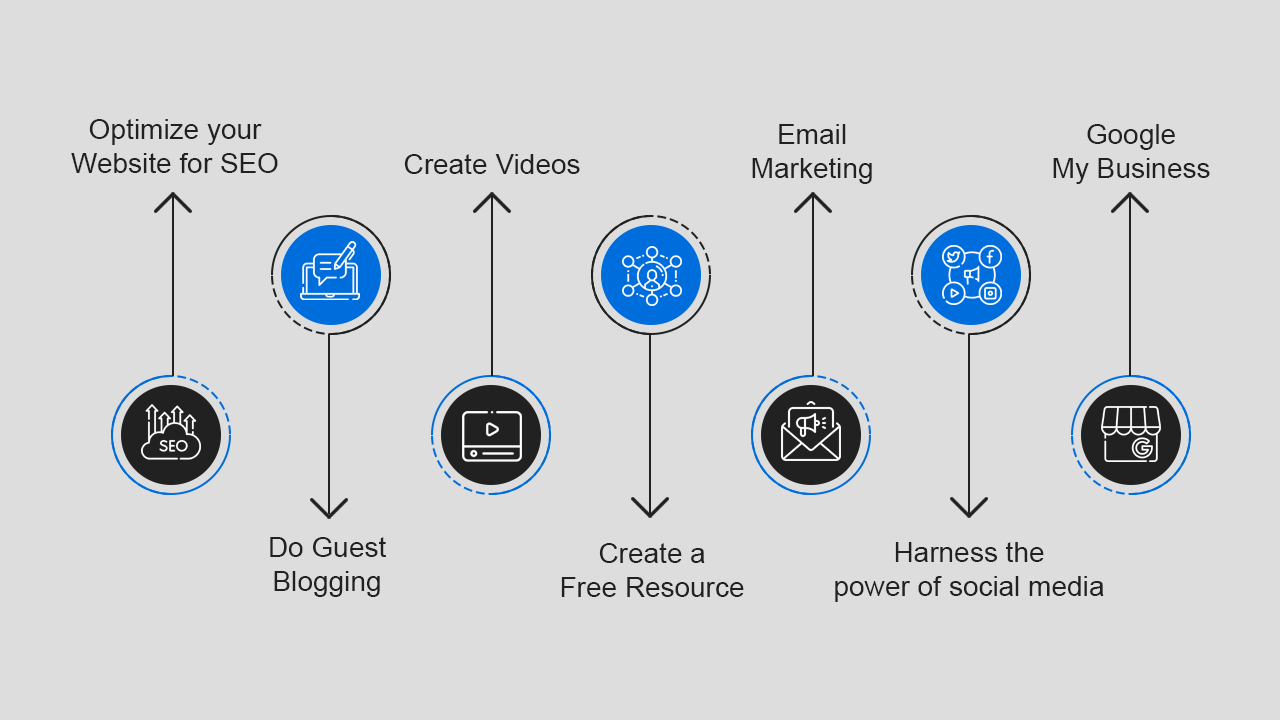
SEO is a foundational element of website promotion. It involves optimizing your website to rank higher in search engine results, thereby increasing organic traffic. Key SEO practices include keyword research, on-page optimization (like using relevant keywords in titles, headings, and content), and improving site speed and mobile-friendliness. Regularly updating content and acquiring backlinks from reputable sites can also enhance your site’s authority and visibility.
Content Marketing
Creating high-quality, valuable content is a powerful way to attract visitors and encourage them to share your site. This can include blog posts, videos, infographics, and podcasts that resonate with your audience’s interests. Consistency is key; maintaining a regular publishing schedule keeps your audience engaged and encourages return visits. Additionally, incorporating SEO strategies into your content can improve its discoverability.
Social Media Marketing
Social media platforms are invaluable tools for promoting a website. They allow for direct interaction with your audience and can drive significant traffic to your site. Choose platforms that align with your audience’s preferences—Facebook, Instagram, Twitter, LinkedIn, and Pinterest all serve different demographics and purposes. Share engaging content, participate in discussions, and utilize advertising options to reach a broader audience. Regularly analyzing your social media performance can help refine your strategy.
Email Marketing
Email marketing remains one of the most effective promotional strategies. Building an email list enables direct communication with your audience, allowing you to share updates, promotions, and valuable content. Offering incentives, such as free resources or discounts, can encourage visitors to subscribe. Crafting engaging newsletters that provide value can help maintain interest and drive traffic back to your website.
Pay-Per-Click Advertising (PPC)
For those looking for immediate results, PPC advertising can be an effective way to promote a website. Platforms like Google Ads and social media networks offer targeted advertising options that can reach specific demographics. While it requires an investment, PPC can generate traffic quickly and is measurable, allowing for adjustments based on performance metrics.
Networking and Collaborations
Building relationships with other website owners, bloggers, and influencers can enhance your promotional efforts. Collaborations, guest blogging, and partnerships can introduce your website to new audiences. Networking at industry events, online forums, and social media groups can also lead to valuable connections and opportunities.
Conclusion
Website promotion is an ongoing process that requires dedication and adaptability. By understanding your audience, leveraging SEO, creating valuable content, engaging on social media, utilizing email marketing, exploring PPC, and networking, beginners can effectively promote their websites. As you implement these strategies, remember to monitor performance and adjust your approach to optimize results continually. With time and effort, your website can achieve the visibility and success it deserves.